If you’ve ever searched for a glamping stay, you’ve probably seen the same frustration: one safari tent lists for $120 a night while a nearly identical one two hours away costs $400. The glamping cost picture online looks chaotic because listings mix budget tents, mid-range domes and luxury resorts side by side, with no explanation of what separates them.
This guide breaks down what a night actually costs at each tier, from basic cabins around $75 to flagship estates over $1,000. We’ll cover the typical price ranges, what you get for your money at each level, why season and location swing rates so much, and the hidden fees that quietly inflate your total. You’ll also find practical ways to pay less without downgrading, plus sample budgets for a couple’s weekend, a family week and a cheap off-season trial run. By the end, you’ll be able to look at any listing and know instantly whether it’s fairly priced.
What Does Glamping Cost Per Night? The Typical Price Ranges
Glamping prices fall into three fairly predictable tiers once you know what to look for. The type of structure is the biggest clue: a canvas tent on a farm platform and a geodesic dome with an en-suite bathroom are rarely in the same price bracket, even if the photos look similar in a search results grid. Learning to spot the differences saves you from overpaying for a tent that photographs well but offers little more than a campsite.
Here’s how the ranges typically break down per night:
- Budget tents and basic cabins ($75–$150): usually found on working farms, family campgrounds or simple retreat sites, often with a shared bathhouse a short walk away and a wood stove or small electric heater for chilly nights.
- Mid-range safari tents, yurts and domes ($150–$300): the most common tier on booking platforms, typically featuring a proper queen or king bed, quality linens, a private deck and increasingly an en-suite bathroom, which is the single biggest driver of the price jump.
- Luxury glamping resorts ($300–$800): purpose-built properties with resort-style amenities, often including daily housekeeping, on-site dining or meal service, and locations chosen for views rather than convenience.
- Flagship estates (above $1,000): a small top tier of ultra-luxe properties, sometimes with private pools, full staff and exclusive settings, where you’re paying as much for the location and service as for the tent itself.
Keep in mind these are nightly base rates before fees, and the same property can sit in a different tier depending on the date you book. A mid-range dome at $220 in June may drop toward $140 on a rainy October Tuesday. That flexibility works in both directions, so always check the calendar for your specific dates before assuming a listing fits your budget. When comparing listings, read the amenity list carefully rather than relying on category labels, since hosts sometimes use terms like “safari tent” or “dome” loosely. The bed configuration, bathroom access and heating situation tell you far more about where a property truly sits than its title does.
What You Get at Each Price Tier
The price gaps between tiers reflect real differences in what’s included, not just marketing. Knowing what to expect at each level helps you decide whether a listing is worth its rate.
Budget stays: the essentials done right
At the budget end, you get the core glamping promise: a real bed off the ground, a solid roof or canvas over your head and basic heating for cold nights. Bathrooms are usually shared, meaning a walk to a central bathhouse, and the setting is often a small farm or an established campground where the atmosphere comes from the land rather than the amenities. If you’re comfortable with campground-style facilities, this tier delivers excellent value.
Mid-range and luxury: where comfort ramps up
Mid-range stays are where glamping starts feeling like a hotel. Expect a private bathroom or en-suite, furnishings you’d be happy to have at home, a deck for morning coffee and often a small kitchen or kitchenette for simple meals. This is the sweet spot for most travelers, especially couples who want comfort without resort pricing.
Luxury resorts add the finishing layers: full kitchens for proper cooking, hot tubs or plunge pools with a view, daily housekeeping and concierge-style service that can arrange meals, activities and transfers. Locations here are premium too — think clifftops, lakefronts and estate grounds. You’re paying for a complete experience, not just a place to sleep, and for special occasions that can be exactly the point.
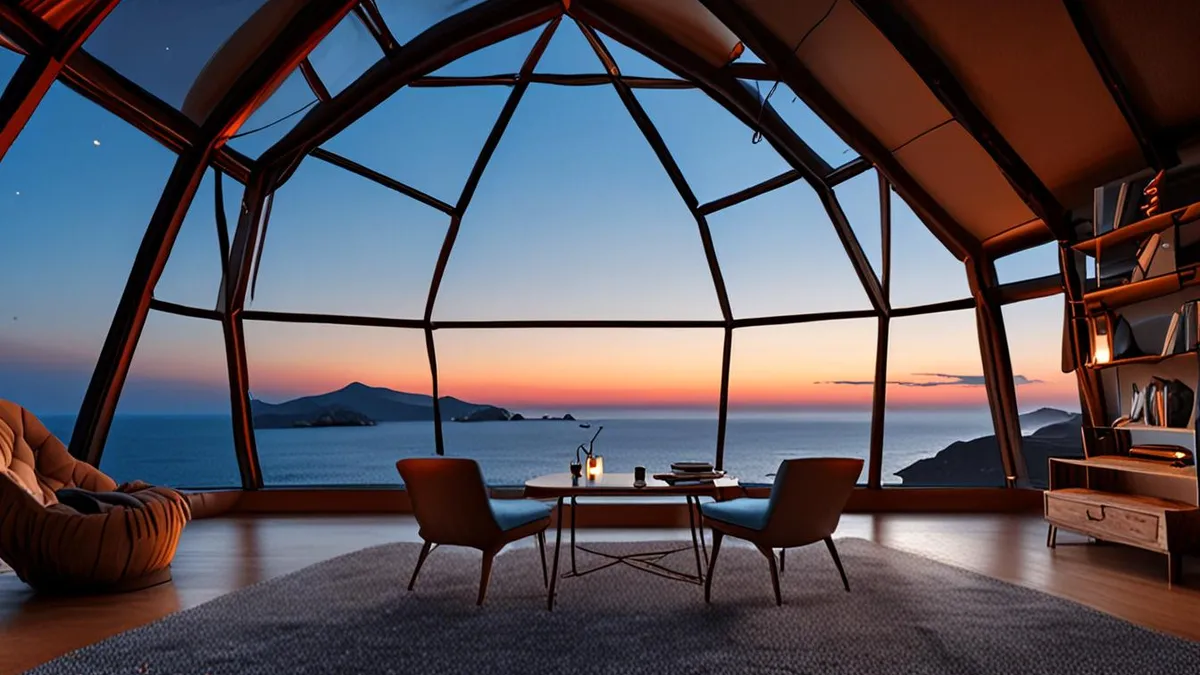
Season and Location: Why the Same Tent Costs Different Prices
Two identical safari tents can differ by well over $100 a night, and the reasons come down to calendar and geography more than quality. Understanding these two factors explains most of the price variation you’ll see between listings.
The season effect
Peak season, roughly June through August in most regions, adds 20–50% to nightly rates. Operators know demand is highest when school’s out and the weather is reliable, so they price accordingly — and they fill up fast. The same tent that costs $260 in July might list around $160 in late September with identical bedding, views and amenities.
Shoulder seasons are the value traveler’s secret. May, September and early October often deliver the same experience at 20–40% less, with fewer crowds and, in many regions, still-pleasant weather. If your dates are flexible, shifting a trip by a few weeks is the single easiest way to cut the rate.
The location premium
Where a tent sits on the map matters just as much as when you book. Waterfront, cliffside and ocean-view sites command a clear premium over inland or forest settings, because the view is the product. A cliffside haven with sweeping horizon views will always price above a similar tent tucked into the trees a few miles inland. Forest and meadow settings can be lovely and considerably cheaper — you trade the postcard vista for quieter nights and a lower bill.
Hidden Costs That Change Your Glamping Budget
The nightly rate you see listed is rarely the number you actually pay. Private glamping rentals, especially those booked through vacation rental platforms, almost always tack on a cleaning fee. On a two-night stay, a fee in that range can quietly add 15–25% to your total, so it pays to check the full price breakdown before you fall in love with a particular dome or safari tent.
Minimum stay rules are the other sneaky budget-buster. A tent that looks affordable at $180 per night becomes a much bigger commitment when the host requires two nights, and some popular weekend spots ask for even longer over holidays. If you only have one free evening, you may need to look at campgrounds or small farms that allow single-night bookings instead.
Then there are the day-to-day extras that never show up in the listing headline. Most are optional, but on a longer trip they add up fast:
- Firewood bundles: many properties sell them on site because gathering wood is often prohibited, so budget for a bundle or two per evening if you plan to use the fire pit.
- Pet fees: dog-friendly glamping sites frequently charge a per-stay or per-night pet fee, and some also require pets to stay off the beds and furniture.
- Activity add-ons: guided kayak tours, stargazing sessions, horseback rides and similar experiences are usually priced separately and can easily become the biggest line item of your trip.
- Meals and meal kits: some hosts offer breakfast baskets, BBQ packages or pre-stocked fridges, which are convenient but priced well above what you would spend at a local grocery store.
How to Pay Less Without Downgrading Your Stay
Glamping prices are far from fixed, and the same tent can swing by a third or more depending on when you book and which nights you pick. A few simple habits will consistently shave money off your total without forcing you into a smaller tent or a shared bathroom. The trick is that these savings stack: each habit works on its own, but combining two or three of them can change the math entirely. Here is the sequence that works, in the order most travelers should try it.
- Book your summer dates 2–4 months ahead. This window usually secures the best availability and rates, because hosts would rather fill the calendar early than hold out for a full-price booking that may never come. It also gives you first pick of the best-sited units, like the dome with the private deck or the safari tent closest to the water.
- Move your stay to midweek nights. Tuesday through Thursday nights typically cost 15–30% less than weekends and holidays, and you also get quieter grounds, easier parking and staff who have more time to help with recommendations and questions.
- Travel in shoulder season instead of peak summer. May, September and early October offer cooler nights, thinner crowds and noticeably lower rates at the same properties, so you often get the identical tent and view for far less money.
- Watch for early-bird and last-minute discounts. Some hosts discount weekday openings a week or two out to avoid empty nights, while others reward early bookers with reduced rates or free extras like firewood bundles or late checkout. Check the listing details and message the host directly before assuming the asking price is final.
Stack two or three of these together and the savings compound: a midweek, shoulder-season stay booked ahead can cost roughly half of what the identical tent goes for on a peak August weekend. The trade-offs are mild, usually just a slightly chillier evening or a shorter list of on-site activities, and the experience itself stays exactly the same. If your schedule has any flexibility at all, this is the easiest money you will save on the whole trip.
Sample Budgets for Different Trip Styles
Abstract price ranges only mean so much until you attach them to an actual trip. Below are three realistic scenarios built from the typical nightly rates, plus the fees and minimums that usually come with them. Treat them as planning baselines rather than quotes, since location and season can push any of them up or down.
A couple booking a mid-range dome for a weekend will usually land in the middle of the market, while a family splurging on a luxury safari tent in summer is playing in a completely different league. The cheapest entry point, by a wide margin, is a basic cabin in the off-season, which is also the smartest way to test whether glamping suits you before committing to a pricier stay.
- Weekend couple’s escape, mid-range dome: two nights at typical mid-range dome rates, which generally run up to about $300 per night, comes to roughly $350–$700 total once a cleaning fee and any firewood or breakfast extras are included.
- Family week, luxury safari tent, peak season: seven nights at $300–$800 per night, with summer rates pushed toward the top of that range, lands at roughly $2,100–$5,600 before add-ons like guided activities or catered meals.
- Off-season budget cabin getaway: two nights at the low end of the budget tier total somewhere in the low hundreds, and midweek dates in the quiet season often come with single-night availability and waived minimums.
Notice how the trip length and season matter as much as the nightly rate. The luxury week costs more than ten times the budget cabin trip, yet the per-night gap is only about double, which shows how minimum stays, peak pricing and add-ons shape the final bill. Decide what the trip is for, romance, family time or a cheap trial run, and the right tier becomes obvious.
The Bottom Line on Glamping Prices
Glamping prices look scattered online because you’re often comparing a basic tent on a farm with a luxury safari lodge without realizing it. The honest range runs from about $75 per night at the budget end to $800 and up at luxury resorts, with ultra-luxe estates climbing past $1,000. Most of the difference comes down to three things: the season you travel, the location tier of the site, and the hidden fees like cleaning charges that get added at checkout.
The good news is that the total is far more controllable than it first appears. Booking early, choosing midweek nights and traveling in shoulder season are the levers that reliably lower what you pay, often without downgrading the experience. If you’ve stayed somewhere great lately, or you’re still deciding between a yurt and a dome, share your thoughts or this article in the comments.