You want a night under the stars, but a decision keeps stalling the trip: do you rough it in a tent you pitch yourself, or book a furnished glamping setup with a real bed waiting inside? The glamping vs camping question comes down to more than price — it touches comfort, effort, skill and how much planning you want to do before you ever leave home.
This guide walks through both options side by side. We compare what each one really costs, including the gear you may need to buy, then look at sleeping, bathing and cooking conditions. We also cover the effort involved on arrival, the best timing for booking each option, and a simple way to decide which suits your trip. By the end, you’ll know exactly what to expect from both — and which one fits your next night outdoors.
Glamping vs Camping: The Core Differences at a Glance
Camping means you bring everything yourself: a tent, sleeping bags, pads, a stove or fire gear, and all the small items in between. You choose the site, set up your shelter and build your own evening routine from the trunk of your car. It’s a self-sufficient style of travel, and for many people that independence is the whole point.
Glamping flips that model. Instead of packing a shelter, you arrive at one that’s already standing — a safari tent, yurt, cabin or dome with furniture, bedding and lighting in place. The operator handles the structure and the setting; you handle the suitcase. Comfort is the focus, with the outdoors as the backdrop rather than the challenge.
What stays the same
Despite the differences, both options share the same core draw. You get direct access to nature, fresh air, and evenings spent outside — whether that’s around a fire you built or on a deck with a lantern already lit. The difference lies in how much work and gear sits between you and that evening, which is exactly what the rest of this article breaks down.
What Each Option Really Costs
Tent camping typically runs about $20–$60 per night at most public campgrounds, which makes it the cheaper option on a per-night basis. Glamping typically costs $100–$400 per night depending on the structure and location, from simple furnished tents at the low end to luxury units well above that. On paper, camping looks like the clear winner — until you add gear to the equation.
A first-time camper usually spends roughly $300–$800 per person on a basic starter kit before sleeping outside even once, and that figure catches many beginners by surprise. Glamping requires almost no gear investment: you pack clothing and food, and everything else from bedding to lighting is already waiting for you. Over a 5-night trip, glamping costs more upfront, but camping’s initial gear spend can close the gap significantly. Once you own the equipment, though, camping pulls ahead on every trip after that, since the gear pays for itself across seasons of use.
It helps to think of camping gear as an investment rather than an expense. If you plan to camp several times a year for years to come, the starter kit amortizes down to very little per night. If you only want one outdoor weekend, glamping usually works out cheaper overall.
- Tent quality matters most. A three-season tent is the backbone of the kit; skimping here affects every night of sleep.
- Sleep systems add up fast. A rated sleeping bag plus a sleeping pad often makes up a large share of the starter budget.
- Cooking gear is a one-time buy. A camp stove, fuel, pots and a cooler serve you for years of trips.
- Small items sneak into the total. Headlamps, a first-aid kit, and a cooler or food storage container are easy to forget but rarely optional.
- Glamping’s only extras are consumables. Food, drinks and maybe firewood — the operator covers the rest.
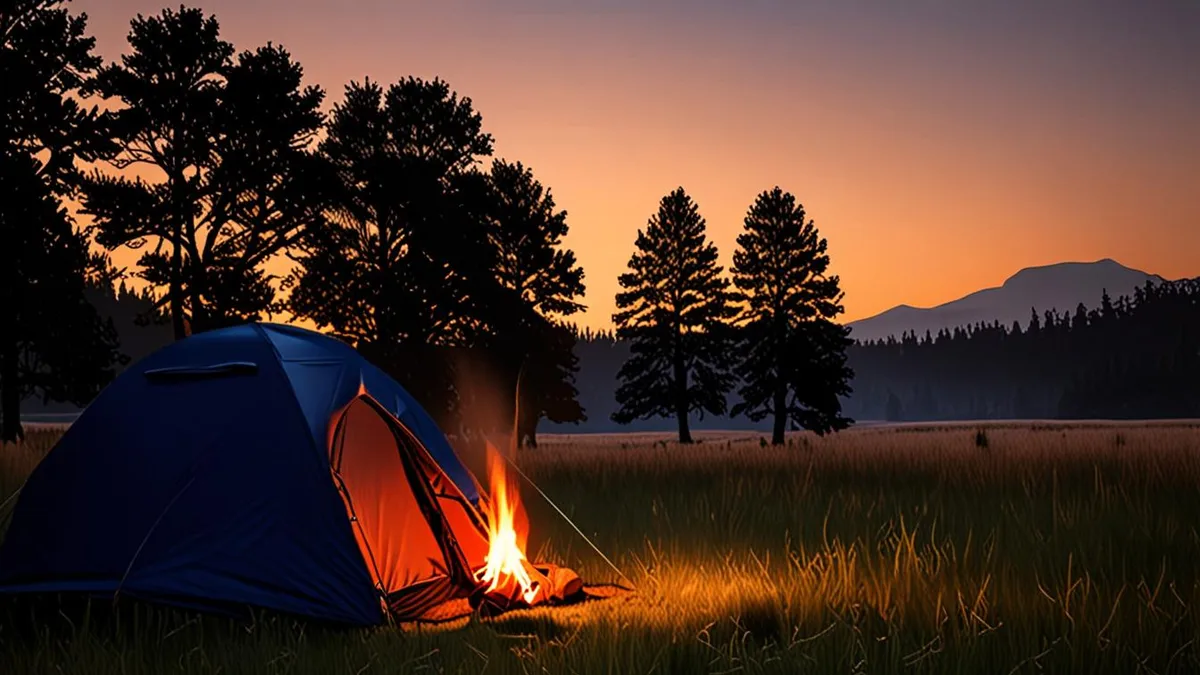
Comfort: Sleeping, Bathing and Cooking Compared
Glamping units usually include a real bed, linens, lighting and heating or cooling, so comfort is built in from the moment you walk in. Camping comfort depends entirely on your gear: a good sleeping pad, a sleeping bag rated for the conditions and a quality tent determine how well you sleep. Skip any of those, and a night in a tent can feel long.
Bathrooms and showers
Glamping sites often offer private or shared bathrooms with hot showers, sometimes just steps from your tent. Campgrounds vary widely — some have flush toilets and shower houses, while more basic or remote sites offer pit toilets and no showers at all. Check the facilities list before booking if this matters to you.
Cooking and weather
Cooking while camping means camp stoves or fire pits, plus the cooler and food storage that go with them. Many glamping stays include a kitchenette or even on-site dining, which removes meal planning from the equation. Weather tolerance differs too: a heated glamping tent handles rain and cold far better than basic camping gear, which is why glamping tends to shine in shoulder seasons or unpredictable forecasts.
Effort and Skill: What to Expect on Arrival
Camping is a hands-on experience from the moment you pull into your site. You pitch the tent, inflate or unroll sleeping pads, organize the cooking box and figure out where everything lives. For a first-timer, plan on one to two hours of setup when you arrive, and a similar chunk of time to break everything down, dry the tent and repack the car at the end.
Glamping flips that script entirely. You arrive, unlock the door of your safari tent, yurt or cabin, and you are done. The bed is made, the lights work and your only job is deciding whether to sit on the deck before or after dinner. Settling in typically takes minutes, not hours.
Some skills only come with practice, and a trip or two is usually enough to get comfortable with the essentials:
- Fire management: building a fire that lights on the first try, keeping it steady through the evening and fully extinguishing it before you sleep.
- Food storage: keeping meals in sealed containers or a bear-safe locker where required, so wildlife and raccoons are not invited to dinner.
- Packing discipline: working through a full gear checklist — headlamps, matches, tarps, repair kit — so nothing critical gets left behind.
- Weather reading: knowing when to stake extra guylines or move the cook setup under cover before a storm rolls in.
If that list sounds like part of the fun, camping will suit you well. If it sounds like homework, glamping gives you the same evenings outside without the learning curve.
When and How to Book Each One
Timing matters a lot for both options, especially in summer. Peak season runs roughly June through August across most Northern Hemisphere destinations, and that is when availability tightens and prices climb at campgrounds and glamping sites alike.
Glamping is the one to book early. Because most operators run a limited number of tents, yurts or domes, popular summer weekends often require booking 2 to 6 months ahead. If you have your heart set on a specific unit for a specific date, reserve as soon as you know your travel window and check the operator’s cancellation policy before paying.
Booking standard campgrounds
Traditional campgrounds are more forgiving outside the summer rush. Outside peak season, you can typically book a site 1 to 4 weeks ahead, and some first-come, first-served grounds do not require a reservation at all. Popular national and state park campgrounds are the exception — their reservable sites can fill quickly in summer, so check the booking platform’s release schedule and book the moment your date opens.
Shoulder season and midweek tricks
If your schedule is flexible, aim for May or September. These shoulder months usually bring lower glamping rates, quieter campgrounds and pleasant weather in many regions. Midweek stays help at both types of properties: Tuesday and Wednesday nights are easier to land and often cheaper than Friday and Saturday, whether you are reserving a tent site or a luxury dome.
How to Choose Between Glamping and Camping
The right choice depends on what you value most: money, comfort or the experience of doing it all yourself. Neither option is better in general — they simply fit different trips and different travelers.
When camping makes sense
Choose camping if budget is your top priority and you genuinely enjoy hands-on outdoor skills. Pitching a tent, cooking over a stove and waking up in gear you set up yourself is part of the reward for many people. Camping is also the practical pick in remote destinations with no infrastructure — no kitchens, no bathrooms, no nearby operators — where self-sufficiency is not optional but required.
When glamping makes sense
Choose glamping if comfort, weather protection or a special occasion matters more than price. A real bed, solid walls or canvas overhead, and heating or cooling make a big difference when rain is forecast or when you are celebrating an anniversary and do not want to spend it wrestling tent poles. Families with young children often find glamping an easier first outdoor stay too: kids get a proper night’s sleep, parents skip the packing marathon, and everyone still gets the campfire-and-stars experience.
Location plays a role as well. Scenic areas with established glamping operators favor the comfort option, since you get front-row views without roughing it. A hybrid approach works well too: camp on longer trips where the gear investment pays off over many nights, and glamp for short one- or two-night escapes when convenience matters most.
The Bottom Line on Glamping vs Camping
So, tent or furnished tent? If budget is your deciding factor, camping wins on paper: expect $20–$60 per night at public campgrounds, though a starter kit of roughly $300–$800 per person narrows that advantage on your first trip. Glamping runs $100–$400 per night, but everything is included and there is nothing to buy or pack beyond clothes and food.
Comfort is where the two really separate. Glamping removes all the setup work and adds real beds, bathrooms and heating or cooling, so rain and cold become minor inconveniences instead of trip-enders. Timing matters too: book glamping 2–6 months ahead for summer weekends, while campgrounds often open up 1–4 weeks out in shoulder season. In the end, the right choice comes down to your budget, how much comfort you need and how much hands-on effort you actually enjoy. If this helped you decide, leave a comment or share the article with a friend who’s still on the fence.