Picking a gorgeous tent is the easy part. The hard part is picking the right month and the right region, because that choice decides whether you wake up to clear desert skies or spend three days inside a rain-soaked dome wondering why you paid premium rates. Finding the best time for glamping means matching the season to the destination, not the other way around.
This guide breaks it down season by season. We cover why timing matters more than tent amenities, when desert regions like Arizona and Nevada hit their stride, why summer belongs to coasts and lakes, how autumn delivers foliage and lower prices, and where mild-climate destinations keep glamping comfortable year-round. We finish with practical booking lead times, so you know exactly how far ahead to reserve for peak summer weekends versus shoulder-season escapes.
Why Timing Matters More Than the Tent
Here is an uncomfortable truth about glamping: a canvas tent with a king bed, a wood stove and a private deck cannot make up for a week of steady rain. You can have the most luxurious setup on the property, but if the weather window is wrong, you will spend your evenings huddled inside instead of stargazing or grilling on the deck. Amenities improve the experience when conditions are good; they rarely rescue it when conditions are bad.
That is why weather should drive your planning before anything else. Once you know which months deliver reliable conditions for your chosen region, everything else falls into place, from what to pack to which activities are actually possible.
Shoulder months save real money
Timing also has a direct effect on your wallet. The same site can cost 20-40% less in shoulder months than it does at the peak, and availability improves dramatically at the same time. In peak weeks, waterfront and view sites are often booked solid months in advance; in shoulder months, you can frequently choose your exact tent instead of taking whatever is left.
The season decides the experience, not just the price
Beyond weather and cost, the season you choose shapes what your trip actually is. A dry desert night with crystal-clear skies is built for stargazing, with the kind of dark skies that make the Milky Way visible to the naked eye. A summer coastline, on the other hand, is built for swimming, kayaking and long evenings outside. Same activity category, completely different trip. Decide first what you want to do most, then pick the season and region that make it possible.
Spring Glamping: Desert and Wildflower Regions
Deserts are the most season-sensitive glamping destinations there are, and they reward travelers who go at the right time. Regions like Arizona and Nevada shine from November through March, when daytime temperatures typically reach a comfortable 65-75°F and nights drop cool enough for a campfire and a heavy blanket. In summer, those same locations can be dangerously hot, which is why desert glamping is essentially a cool-season activity.
Wildflower season is the spring bonus
If you want the deserts and grasslands at their most photogenic, aim for March through May. Spring brings wildflower blooms across desert valleys and open grassland sites, turning ground that looks barren in winter into patches of color. For photographers, this is the window that justifies the trip: morning light on blooming fields, cool air for hiking, and clear skies for evening shots. Bloom timing varies year to year with rainfall, so it pays to check recent conditions or ask the site operator before you book rather than assuming a fixed date.
Shoulder-season pricing works in your favor
Spring also happens to be when pricing is friendliest. Many desert sites price spring as shoulder season, which means noticeably lower rates than the summer peak while the weather is arguably at its best. That combination of mild desert conditions, wildflowers and reduced rates makes spring one of the strongest value windows in glamping. Availability tends to be better too, though popular bloom weekends can still fill up, so do not leave a prime March or April booking to the last minute.
One practical tip: desert nights are genuinely cold even in winter and early spring, so pack layers and confirm your tent has adequate bedding or a heating option before you go.
Summer Glamping: Coasts, Lakes and Long Days
June through August is peak season for coastal and lakeside glamping, and for good reason. These are the months with the warmest air, the longest days and, by August, the warmest water of the year. If swimming, paddleboarding or simply falling asleep to the sound of the lake is the point of your trip, this is your window. Coastal glamping is generally most reliable from June through September, so you have some flexibility if early summer dates are taken.
The trade-off is price and competition. Expect the highest rates of the year, and plan to book waterfront sites 6-9 months ahead. The best-positioned tents, the ones right on the water or facing the sunset, go first and rarely open up at the last minute.
Short summers in the north
Northern regions operate on a compressed calendar. In the Pacific Northwest and at mountain lakes, the season only truly opens in July and August, once the rain eases, the water warms and the snowmelt has passed. Outside those two months, conditions can be cool and wet enough to change the character of the trip entirely, so treat July and August as the only dependable window for these destinations.
How to make a peak-season booking work
- Target August for swimming trips. Water temperatures peak in August, so if your priority is time in the water rather than time on the deck, late summer gives you the warmest conditions of the season.
- Set a calendar reminder 9 months out. Many waterfront operators open their full summer calendar well in advance, and booking the day dates are released is often the only way to secure a premium view or beachfront tent.
- Consider midweek dates in July and August. Shifting a peak-season stay from a weekend to midweek can ease both price and availability pressure, since demand concentrates heavily on Fridays and Saturdays.
- Ask about site orientation before you pay. At lakes and on the coast, two tents on the same property can have very different exposure to wind and afternoon sun, and a quick question to the operator can make a hot weekend far more comfortable.
Autumn Glamping: Foliage, Harvest and Fewer Crowds
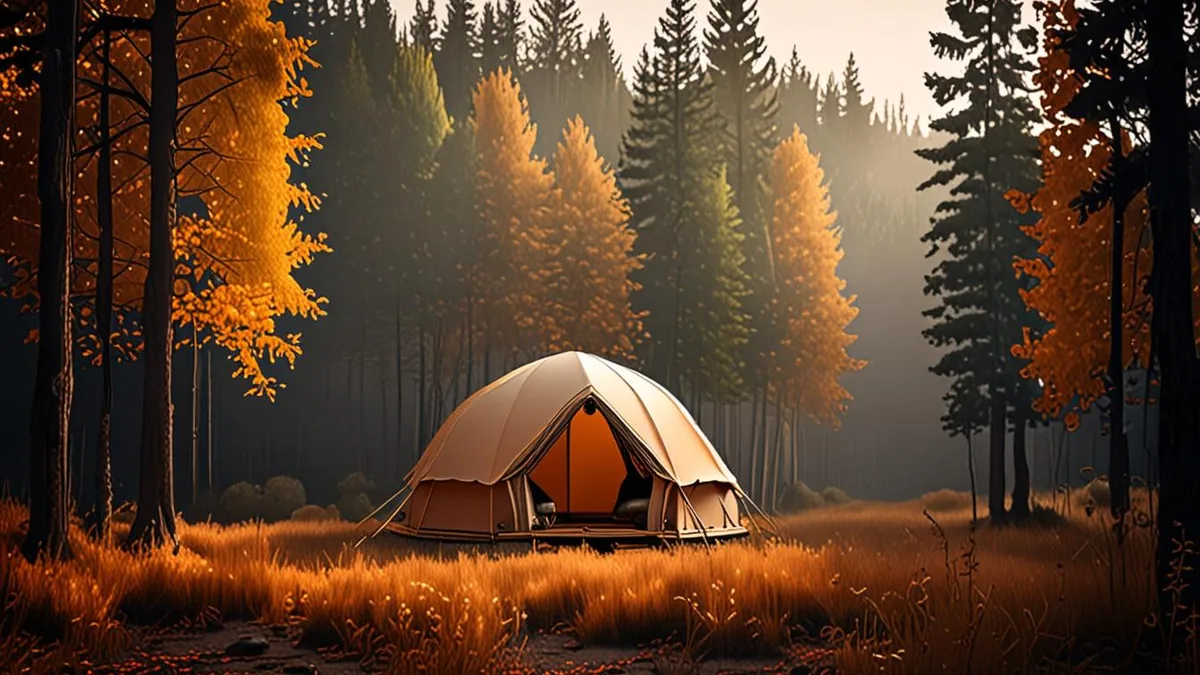
If you have ever looked at photos of a luxury tent surrounded by orange and red trees, that shot was almost certainly taken between September and early October. This stretch combines the best of both seasons: days are still warm enough for hiking in a light layer, nights turn cool enough for a fire, and mountain and forest regions hit peak fall color. New England, the Blue Ridge Mountains, and the Great Lakes forests all put on their best show in this window.
Autumn is also when the math starts working in your favor. Once summer crowds go home, shoulder-season pricing kicks in, and you will notice the difference in availability too. Sites that were booked solid in July often have open weekends in mid-September, and hosts tend to be more flexible with dates and arrival times.
Timing the foliage peak
The catch with fall glamping is that the color window is short. Foliage peaks at different times depending on elevation and latitude, and a warm autumn can push the peak a week or two later than usual. If you have your heart set on a specific region, check that area’s foliage forecasts as your trip approaches rather than relying on last year’s dates.
For the most popular foliage weekends in September and October, book 2-3 months ahead. Prime leaf-peeping regions fill up fast for Saturday nights, especially sites with views or fire pits, and the best tents go first. A midweek arrival is the easiest way to get a better tent, a quieter site, and a lower rate all at once.
Winter and Year-Round Glamping in Mild Climates
Not every glamping trip has to end when summer does. In mild climates like Southern California and Florida, winter is simply another season for sitting outside your tent in the evening, and many coastal sites there operate comfortably year-round. Daytime temperatures stay pleasant, rainfall is generally manageable, and you get popular spots without the peak-season crowds.
Winter is also the only reliable window for desert glamping in places like Arizona and Nevada. Summer heat in these regions can be extreme enough to make daytime activity unpleasant, but in winter, daytime highs typically reach 65-75°F. That is ideal weather for hiking, sitting by a fire pit, and sleeping under a clear, dry sky with serious stargazing.
Cold-season comfort comes down to how the tent is built and equipped, so ask specific questions before you book:
- Heated tents: Confirm whether the heat is a real electric or propane heater with a thermostat, not just a small portable unit, and whether it runs all night or shuts off.
- Wood stoves: A wood-burning stove inside a canvas tent or dome gives steady, dry warmth, so ask whether firewood is included or sold on site and whether the stove is safe to run while you sleep.
- Insulated domes: Geodesic domes with insulated panels, double-glazed windows, and proper flooring hold heat far better than single-layer canvas, which matters most for stays in mountain or high-desert areas.
One more practical check: ask about water. In genuinely cold regions, outdoor showers and plumbing can freeze in winter, so a well-run cold-season site will either winterize its facilities or explain exactly what to expect.
How to Book the Best Time for Glamping
Good glamping trips are usually booked months in advance, not chosen from whatever is left two weeks out. The best sites in the most desirable locations tend to be small, and the most sought-after tents, domes and safari-style units at a popular property can number fewer than a dozen. That means availability, not price, is often the first thing to disappear. The right lead time depends entirely on the season you are targeting, because demand swings dramatically between peak summer and the shoulder months. A property that has openings in late September can be fully booked for the same dates in July well before the year even starts. Follow these steps to line up your dates with the calendar and avoid the disappointment of scrolling through sold-out listings.
- Reserve as early as possible for June-August trips. This is peak season in most temperate regions, and waterfront and view sites are the first to go. If your heart is set on an oceanfront tent or a lakefront deck for a July weekend, treat it like booking a popular hotel: lock it in as soon as the operator’s calendar opens for the following year, and set a reminder if reservations release on a specific date.
- Book 2-3 months out for shoulder-season trips in May and September-October. These months offer the best mix of weather and value, and rates typically run 20-40% below peak summer pricing. A shorter lead time still gives you a good choice of tents, and you can watch weather forecasts before committing.
- Check regional weather patterns, not just temperature averages. An average high tells you nothing about the afternoon thunderstorms common in mountain regions in summer, or the wind that can make exposed coastal sites noisy and cool. Look up rainfall patterns, wind conditions, and seasonal hazards like hurricane season for coastal areas before you pick your dates.
Once you have your dates, read the cancellation policy carefully before paying. Flexible booking terms matter more in shoulder season, when weather is less predictable, and they let you shift a trip by a week or two if a storm system rolls in. Some operators offer free changes up to a set number of days before arrival, while others treat deposits as non-refundable, so the difference between two similar properties can come down entirely to the fine print. It also pays to sign up for waitlists or mailing lists at your top-choice sites: last-minute cancellations do happen, especially in shoulder season, and being first in line can rescue a trip that looked impossible to book. A little planning here protects both your budget and your getaway.
Wrapping Up: Matching Season to Region
The answer to “when should I go glamping” really comes down to matching the season to the region. Deserts shine in winter and early spring, coasts and lakes deliver their best weeks in summer, and mountains and forests hit their stride in autumn when the foliage turns. Get that pairing right, and the weather, the crowds and even the price tend to fall into place.
If you want the best overall balance, aim for the shoulder months of May and September. Prices drop noticeably compared with peak summer, availability is easier to find, and conditions are still comfortable in most regions. Just remember the booking lead times: 2-3 months ahead for shoulder-season trips, and 6-9 months if you’re targeting a summer waterfront site. Have a favorite season or region for glamping? Share it in the comments below.