You know your destination and your dates, but one question keeps coming back: should you book a lodge or a hotel? It is a genuinely tricky choice, because the two stay types are built for completely different trips. Pick the wrong one and you either pay for experiences you never use, or miss out on the very thing you traveled for.
This guide breaks down the lodge vs hotel decision piece by piece. We start with what actually defines each stay type, then compare space and design, dining arrangements, nightly costs, how far in advance you need to book, and how long it takes to reach each one from the airport. Finally, we pull it together with practical advice on matching the stay type to your trip length, budget and season. By the end, you should know exactly which option fits the way you want to travel.
What Defines a Lodge vs Hotel
A lodge is a destination in itself. Lodges are built in natural settings such as mountains, forests, lakesides or safari reserves, and the landscape is not just a backdrop but the whole reason the property exists. Local materials like timber and stone shape the buildings, and the design deliberately frames the surroundings rather than the city skyline.
A hotel works the other way around. Hotels prioritize location and convenience, which is why you find them near airports, business districts and city centers. The property is a comfortable base for exploring a destination or getting work done, not the destination itself. That practical positioning is exactly what makes hotels so useful for short stays and city trips.
Size and guest numbers
The two types also differ sharply in scale. Lodges usually cap guest numbers, often running just a handful of rooms or suites, which creates a private, intimate atmosphere where staff get to know you by name. Hotels scale from around 50 rooms up to hundreds, trading that intimacy for efficiency, services and availability. Neither model is better; they simply serve different kinds of travelers, and understanding that difference is the first step in choosing well.
Space, Design and Atmosphere
Walk into a lodge room and the first thing you notice is space. Lodge rooms typically run 20-40% larger than standard city hotel rooms, and that extra square footage is put to good use: think seating areas, and in many properties a fireplace or a private veranda where you can sit with a coffee and watch the landscape change through the day.
Architecture that frames the view
Lodge architecture is built around the setting. Timber beams, stone walls and panoramic windows are common, and the layout of the whole property is usually arranged so that the view, whether of mountains, forest or water, becomes the centerpiece of your stay. Interiors lean on natural materials and local craftsmanship, so no two lodges feel quite the same.
The hotel approach
Hotels take the opposite path: standardisation. Room layouts, amenities and even the artwork follow consistent templates, and if you have stayed at one property of a chain, you generally know what the next one will offer. That predictability is a real advantage. You get reliable bedding, dependable Wi-Fi and familiar amenities wherever you go, which matters when you are on a business trip or a tight city itinerary. What you trade away is character; a hotel room is comfortable and consistent, but it rarely tells you anything about where you are.
Dining and Included Services
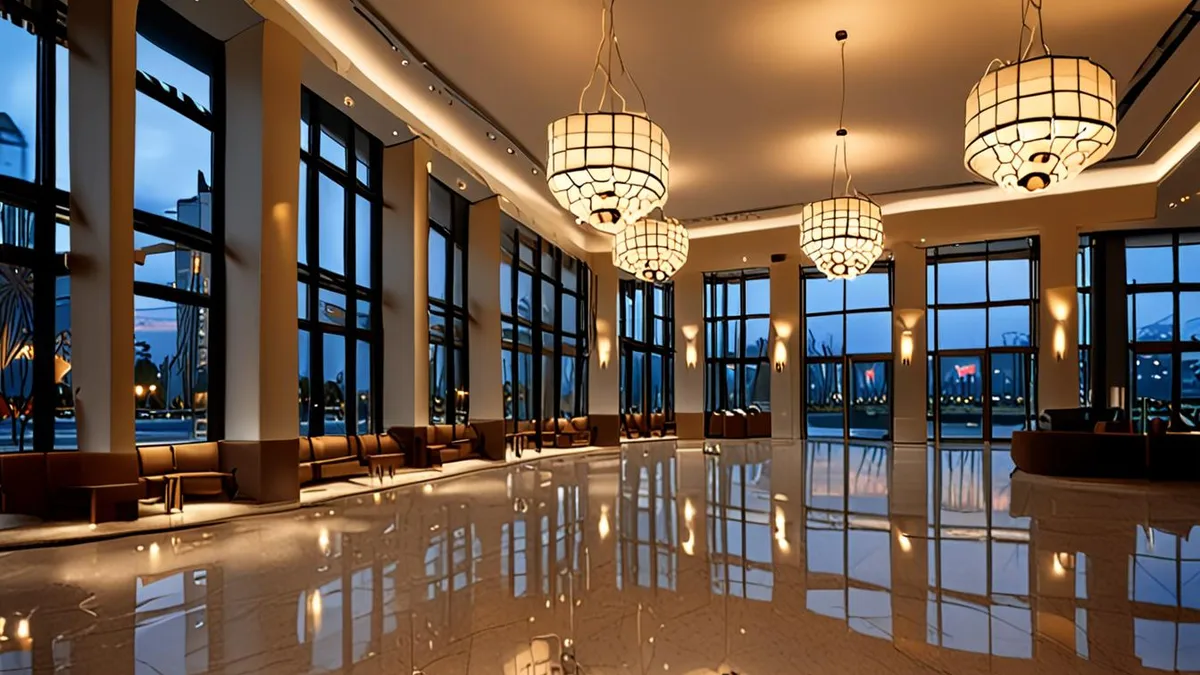
Dining is one of the clearest dividing lines between lodges and hotels. At full-service lodges, 2-3 meals daily are usually included in the rate, often served as fixed menus rather than à la carte. Dinner becomes a shared evening event, the food leans on local ingredients, and there is little decision-making involved once you sit down. For many travelers this is a highlight; for picky eaters it can feel restrictive.
Hotels separate dining from the room rate entirely. You order room service when you like, use the bar, or step outside into the city, where restaurants, cafés and street food sit within walking distance. That freedom to eat on your own schedule and budget is a genuine advantage of urban stays.
Activities and services: bundled or pay-as-you-go
How services are charged differs just as much. Remote lodges typically bundle guided activities into the rate, while hotels charge per service or leave you to book independently. A few practical differences to keep in mind:
- Guided activities: lodges usually arrange hikes, wildlife drives or boat trips with their own guides, so you do not need to research or book anything separately.
- Local expertise: lodge staff and guides often know the surrounding area intimately, which can lead to experiences you would struggle to arrange on your own from a city hotel.
- Booking freedom: at a hotel, you choose your own tour operators, restaurants and timing, which suits travelers who like to plan independently.
- Cost transparency: hotel pricing looks cheaper at first glance, but every meal, drink and activity is added to the bill, so the final total can surprise you.
Price Comparison: Lodge vs Hotel Costs
When you compare nightly rates, hotels look cheaper at first glance. Depending on the city and the star rating, you can expect to pay roughly $80-$400 per night for a standard hotel room. A mid-range city hotel in a secondary city might sit near the lower end of that range, while a well-known four- or five-star property in a major capital will push toward the top.
Destination lodges typically range from $250-$900 per night, which sounds steep until you look at what is included. Most full-service lodges bundle 2-3 meals daily into the rate, and many add guided activities such as game drives, hikes or boat trips as part of the package. In a hotel, every one of those items arrives as a separate line on your bill.
Compare the total trip cost, not the nightly rate
The fairest way to compare is to add up what you would actually spend over the whole stay. A lodge rate that covers dinner, breakfast, lunch and two guided excursions can work out close to a hotel room plus three restaurant meals and a privately booked tour. Run the numbers for your specific trip length, and the gap between the two options often narrows considerably.
Booking Windows and Seasonality
Lodges reward early planners. Because most destination properties keep guest numbers deliberately low, rooms during the June-August peak season often need to be booked 3-6 months ahead. If you want a specific lodge for a summer trip, treat the booking like a flight reservation rather than something you sort out a few days before departure. This is especially true for well-known lodges with a small number of rooms, where a single cancellation can leave a gap in your plans that no other property can fill. Booking early also gives you time to arrange transfers, coordinate travel companions and confirm any dietary or activity preferences with the lodge before arrival.
City hotels work on the opposite rhythm. Outside major events and conferences, they commonly offer same-week availability, and you can often book a room the day you travel. This flexibility is one of the biggest practical advantages of hotel stays, especially for short city breaks. It also means you can stay responsive: if a meeting moves, a flight changes or you decide to add an extra night, a hotel booking is far easier to shift than a lodge reservation made months in advance.
- Seasonal opening dates: most lodges in mountain regions operate roughly May through October, so the property may simply be closed in winter, whatever your travel dates look like.
- Fixed calendars: because lodges run on seasonal schedules, your dates are set by the lodge’s operating season rather than by your own flexibility, so check opening periods before you plan anything else around the trip.
- Shoulder season options: if your dates are flexible, the weeks just before or after peak season usually offer better availability at lodges while the weather and scenery remain appealing.
The practical takeaway is simple: if a lodge is central to your trip, lock in the dates as early as possible and build the rest of your itinerary around them. If a hotel is just a base for sightseeing, you can afford to leave the booking until later and keep your plans flexible.
Location and Accessibility
Location is where the two stay types differ most sharply. Lodges are usually 30-90 minutes from the nearest airport by road, and some remote properties require arranged transfers or even a combination of road and boat travel. That final stretch of the journey is often scenic, but it takes planning and adds time to your arrival day.
Hotels sit minutes from airport terminals, public transit and urban attractions. If you land in the evening and have meetings the next morning, or you only have two nights to see a city, that proximity matters more than any view. You can check in late, walk to dinner and leave early without arranging anything.
When the journey is part of the trip
Choose a lodge when the drive itself is part of the experience. Winding mountain roads, forest tracks and views that improve with every kilometer all add to the sense of arriving somewhere distinct, and most lodges can help arrange transfers if you would rather not drive yourself.
Choose a hotel when time is limited. If your itinerary is packed and every hour counts, spending a large part of a day on transfers to and from a remote property rarely makes sense. Match the distance from the airport to how much time you actually have on the ground.
Choosing the Right Stay for Your Trip
The quickest way to decide is to look at what kind of trip you are actually planning, not at the property itself. If your days revolve around hiking, wildlife watching or simply sitting somewhere quiet with a view, a lodge fits naturally. These properties work best for nature-focused stays of three nights or longer, where meals and guided outings become the core of your experience rather than an add-on. Many guests find that once they arrive, they barely leave the property at all, and that is exactly the point.
Hotels make more sense when your schedule lives in the city. A two-night city break, a business trip with meetings spread across downtown, or an itinerary where you want to eat somewhere different every evening all favor a hotel. You keep full control over where you dine, when you leave and how you get around, which matters when time is short and plans tend to change.
Who you are traveling with matters too. Couples often love the quiet and romance of a lodge, while families with young children may find hotel flexibility easier if naps, picky eaters or last-minute schedule changes come into play.
Before you book either one, run your trip through three filters:
- Trip pace: if you want to slow down and stay put, choose a lodge; if you want to cover a lot of ground, choose a hotel.
- Group size: lodges often suit couples and small groups, while hotels handle varied party sizes more easily.
- Planning style: lodges reward advance planning and a fixed itinerary, hotels reward spontaneity.
Final Thoughts on Lodge vs Hotel
So which one suits your trip? Lodges win on space, scenery and bundled value, with rates typically running $250-$900 per night once meals and activities are included. Hotels win on convenience and flexibility, with nightly rates from roughly $80-$400 and dining left entirely up to you.
The decision comes down to three things: how long you are staying, which season you are traveling in, and how far you are willing to travel from the airport. Answer those honestly and the right stay type usually picks itself. If this helped you sort out your own trip, leave a comment or share the article with a fellow traveler.