Choosing between a resort vs boutique hotel is one of those decisions that seems simple until you’re actually staring at two bookings, both appealing, both priced similarly, and neither obviously right. A resort promises everything in one place: pools, restaurants, activities, and a schedule you never have to think about. A boutique hotel promises character, personal service, and a front door that opens straight into the neighborhood you came to see. The trouble is, most of us want a bit of both, and the wrong pick can quietly shape the whole trip.
This guide breaks the decision down piece by piece. We’ll start with the core differences in size, amenities, and service style, then look at who each option genuinely suits. From there, we’ll compare what you really pay, weigh location and atmosphere trade-offs, and share practical booking strategy and timing tips. By the end, you’ll have a clear way to match the stay type to your trip length, budget, and how much time you actually plan to spend inside your room.
Resort vs Boutique Hotel: The Core Differences at a Glance
The most obvious difference between these two stay types is sheer scale. Resorts are big operations, typically spanning 200 to 800 rooms, while boutique hotels usually have somewhere between 10 and 100. That single number changes almost everything about your stay, from how busy the pool gets to whether the staff remembers your name by day two.
What’s on-site versus what’s around you
Resorts bundle nearly everything onto the property: multiple restaurants, several pools, spas, kids’ clubs, and a full activities calendar. You can arrive with an empty itinerary and still never run out of things to do. Boutique hotels work the opposite way. They’re smaller and lean heavily on the surrounding neighborhood, so the best restaurants, shops, and sights are usually steps from the lobby rather than inside it.
Two very different service styles
Service feels different at each, too. Resort staffing is structured and amenity-driven, with large teams handling front desk, housekeeping, dining, and entertainment as separate departments. It’s efficient and predictable, though sometimes a little impersonal. Boutique service tends to be personal and owner-influenced, with a smaller team that often knows the property, the rooms, and the local area intimately. Expect tailored recommendations and flexibility, but fewer on-site facilities. Neither style is better; they simply suit different kinds of travelers, which is exactly what the next sections help you figure out.
When a Resort Is the Right Fit
If your ideal vacation involves never having to plan a single day, a resort is probably your answer. The whole model is built around convenience: wake up, choose between the pool, the beach, or the spa, and let someone else handle the rest. For many travelers, that predictability is worth more than any amount of local charm.
Resorts also tend to work best for longer trips. When you’re staying a week or more, having multiple restaurants, entertainment, and activities on-site keeps things fresh without requiring daily decisions or transportation. And because large resorts are usually 5-15 km outside town centers, they suit travelers who genuinely don’t want to be in the middle of a city.
- Families with young kids: kids’ clubs, shallow pools, and supervised activities mean parents can actually relax, and having several restaurants on-site solves the “where do we eat tonight” question without a taxi ride.
- Long-stay travelers planning 7+ days: a week at one property is far more enjoyable when there’s variety built in, from themed dinner nights to water sports, so you’re not eating at the same table every evening.
- Entertainment-first guests: evening shows, live music, and organized excursions are part of the package, which suits travelers who like their nights planned rather than wandering an unfamiliar town after dark.
The trade-off, of course, is distance. If you picture yourself strolling out for dinner in a local neighborhood every night, a resort’s remote setting may frustrate you. But if your plan is to stay put and let the property do the work, this is the fit.
When a Boutique Hotel Wins
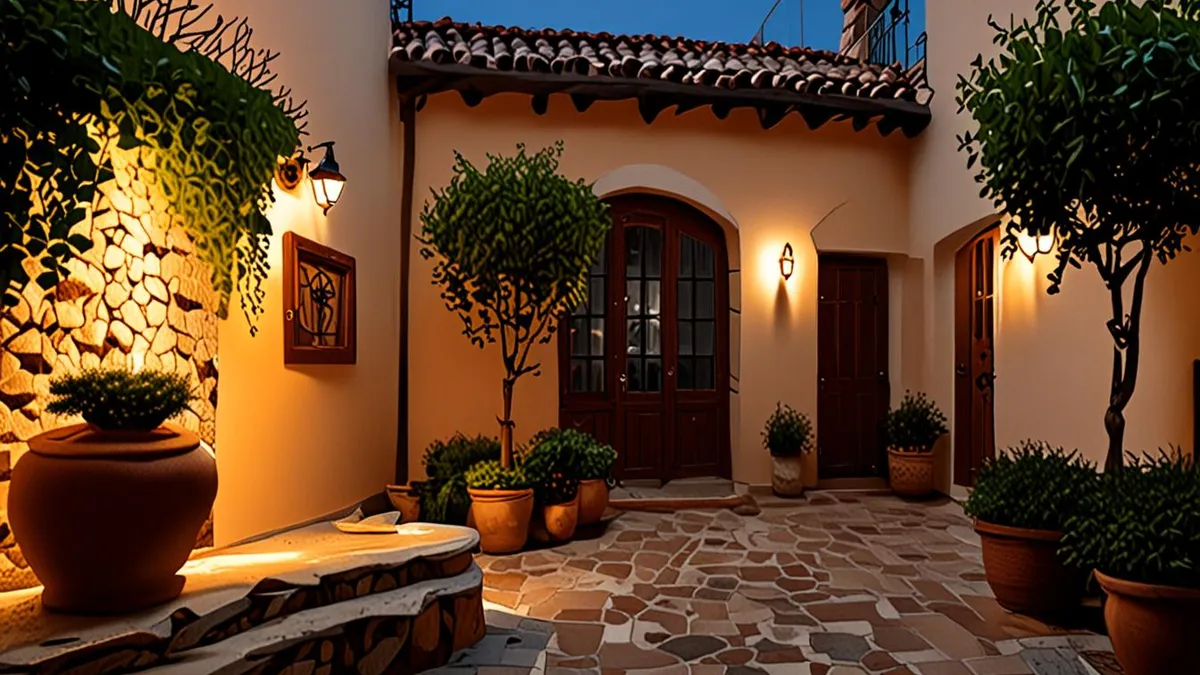
Boutique hotels shine when the destination itself is the main attraction. If you’d rather spend your evenings exploring local restaurants than choosing between three on-site buffets, a smaller property puts you right where the action is. Because boutique hotels often sit within walking distance of town centers, you can step out the door and be at a market, a café, or a waterfront promenade in minutes. They’re built for travelers who see the hotel as a base, not the destination.
They also make the most sense on shorter trips. On a 2-4 night city or coastal getaway, you simply won’t have time to use a resort’s full range of facilities, so paying for them adds little value. Location matters more when every day counts, and the money you save on the room rate often goes further toward meals and experiences in town. For a sense of how charming these stays can be, this coastal boutique retreat with warm, elevated hospitality shows the style at its best.
- Couples on a getaway: smaller properties mean quieter common spaces, more atmospheric rooms, and staff who can point you to the neighborhood’s best table for two rather than its most touristy one.
- Solo travelers who like to explore: walkable access to markets, cafés, and nightlife makes it easy to fill your days independently, and a smaller front desk often feels more like a friendly concierge than a check-in counter.
- Design lovers: boutique rooms are typically individually styled rather than standardized, so no two stays feel the same, and the décor often reflects the local culture instead of an international brand template.
It’s also worth thinking about how you like to plan. Boutique hotels need less lead time than large resorts, so a spontaneous long weekend is far easier to arrange. If unique rooms, personal recommendations, and stepping out your door into the destination sound better than a swim-up bar and a full activities schedule, the boutique route will reward you. Check current rates and availability close to your dates, and you may find the flexibility is its own kind of luxury.
Cost Comparison: What You Really Pay
Sticker rates tell only half the story. A resort room commonly runs $250-600 per night, while boutique hotels usually sit in the $180-450 range. On paper the boutique option looks cheaper, but the real comparison depends on what each rate includes and what you’ll spend once you step outside.
The all-inclusive math
Many resorts offer all-inclusive packages that add roughly $100-200 per person per day over the room-only rate. That sounds steep until you add up what it covers: meals, drinks and often snacks throughout the day. If you would otherwise eat three restaurant meals plus drinks daily, the package can come out even or ahead, especially for families who spend most of their time on-site.
Boutique hotels, by contrast, rarely bundle much into the rate. The upside is fewer hidden add-ons, no surprise resort fees tacked onto breakfast you didn’t eat. The downside is that everything happens outside: dinners in town, taxis, day trips and activities all land on your bill. Over a week, those small charges add up faster than most travelers expect.
A simple way to compare: estimate your total spend, not your nightly rate. A boutique room at $200 plus $100 a day in meals and transport can match or exceed a resort package that looked expensive at booking time.
Location and Atmosphere: Inside the Property or Out in the Town
Location shapes a trip as much as the room you sleep in, and this is where the two stay types diverge most sharply.
Living inside the resort bubble
Large resorts create a self-contained world. Pools, restaurants, bars, spas and entertainment sit steps from your room, which is exactly the point. The trade-off is distance: because big properties need space for pools, gardens and sports facilities, they typically sit on the edge of town or well beyond it. Experiencing local restaurants, markets or sights usually means planning a taxi or rental car each time. Some travelers love the seclusion; others feel stuck after day three.
The atmosphere matches that setup. Resorts hum with activity, poolside music, kids’ clubs, evening shows. It’s easy energy, and for many holidays that’s precisely what you want.
Stepping out your door
Boutique hotels flip the equation. They often sit within walking distance of town centers, so dinner, nightlife, galleries and morning markets are a short stroll away rather than a scheduled excursion. You trade the pool complex for the neighborhood.
The mood is quieter and more intimate too, with fewer guests and more personal interaction. If your ideal evening is a local wine bar instead of a poolside buffet, the boutique setting will feel like a better fit almost immediately.
Booking Strategy and Timing
Timing your booking matters as much as choosing the right property, and the two stay types follow very different rhythms. Resorts move on a predictable calendar: families lock in summer trips months in advance, the largest rooms disappear first, and prices only climb as peak season approaches. Boutique hotels work the other way, filling a small number of rooms closer to the date, so the window for a great rate is shorter but more forgiving. Getting the lead time wrong can cost you either the room you wanted or the rate you budgeted for, so it pays to sequence your booking deliberately. Here’s how to do it:
- Book resorts 4-6 months ahead for peak season. Peak season runs June-August, when rates climb 30-50% above shoulder season. Family suites and ocean-view rooms sell out first, so early booking protects both your price and your room type. If you wait until spring to plan a July trip, expect limited choices and premium pricing.
- Give boutique hotels 2-3 months of lead time. With far fewer rooms to fill, they need less runway. Booking 2-3 months ahead usually secures the best rooms, the corner units and top-floor spaces that go first. Even so, don’t leave it to the final week: small properties can be fully booked with a single event in town.
- Aim for shoulder season if your dates flex. April-May and September-October offer the best value for both stay types, with lower rates and thinner crowds. The same property often feels more relaxed and costs noticeably less, and staff have more time to help you plan.
One last habit worth building: once you’ve picked your dates, check cancellation terms before you commit. Flexible rates let you rebook if prices drop later, which happens more often than travelers realize, especially in shoulder season when availability stays open longer. Set a calendar reminder to recheck your rate a few weeks before arrival, and switch if a better deal appears. A few minutes of monitoring can cover a nice dinner out.
Making the Final Call
So which one wins? Start with your trip length and how much time you honestly plan to spend on-site. If you’re settling in for a week and want pools, restaurants and activities without leaving the property, a resort fits that rhythm. If you’re away for a few nights and would rather walk out the door into restaurants, markets and local life, a boutique hotel is the better match.
Budget tips the scale too. Resorts suit longer, amenity-driven holidays where convenience justifies the higher nightly rate, while boutique hotels suit short, location-driven trips where the neighborhood is the real attraction. Either way, booking in shoulder season and locking in early saves the most on both stay types. If this helped you decide, leave a comment or share the article with a travel partner.