Many travelers book a beach holiday around a nice photo and a good price, then discover too late that the island-versus-mainland decision shaped everything they actually cared about. The difference between island resorts vs mainland beach resorts shows up in your transfer time, your nightly rate, how many people you share the sand with, and whether you can wander out for dinner somewhere new each night.
This guide walks through the core difference between the two, what getting there really involves, how privacy and crowd levels compare, where the money goes in each case, what you can do on and off the property, and how far ahead to book each type. It ends with a simple way to decide which one fits your trip. By the end, you should know whether your ideal beach week means settling into one secluded property or using your hotel as a base for exploring a whole coastline.
Island Resorts vs Mainland Beach Resorts: The Core Difference
The fundamental trade-off is simple: island resorts exchange convenience for seclusion. Because these properties sit off the mainland, access depends entirely on boats, ferries or small aircraft. You cannot step outside and stroll into town; the resort itself is the destination, and everything you need arrives by water or air.
Mainland beach resorts sit on continuous coastline. That means you can walk, drive or taxi to nearby towns, restaurants, markets and other beaches whenever you feel like it. The beach in front of your hotel is one option among many, not the only stretch of sand you will see all week.
How the choice shapes your whole trip
An island stay naturally favors immersion in one property. Meals, activities, evening entertainment and even your social circle revolve around the resort, so the quality of that single property matters enormously. If you love the idea of unwinding completely in one place, this structure feels like freedom rather than a limitation.
A mainland stay favors exploration. Your resort becomes a comfortable home base, and each day can lead somewhere different. Neither approach is better; the honest question is whether your ideal beach holiday looks more like settling in or setting out.
Getting There: Transfers and Travel Time
Getting to a remote island resort is part of the experience, but it takes planning. Transfers typically involve a 30-90 minute boat or seaplane ride, and these are often timed to flight arrivals rather than running on demand. That means the resort’s transfer schedule, not your itinerary, sets the rhythm of your first and last day. If your flight lands late in the evening, you may be waiting for the next scheduled departure the following morning, or arranging a costly private transfer at short notice. Some travelers treat this as a smooth continuation of the journey, enjoying the first glimpse of turquoise water from a small plane window. Others find the logistics stressful after a long-haul flight. Knowing what to expect before you book makes all the difference between the two.
Mainland resorts are far simpler to reach. They usually sit 10-60 minutes from the airport by road, with taxis and shuttles available whenever you land. No tide schedules, no weight limits on luggage, no waiting at a small dock. If your flight is delayed by three hours, you simply arrive at the resort three hours later, tired but otherwise unaffected. That flexibility matters if you are traveling with young children, tight work schedules or connecting flights you cannot change.
Before you book, a few transfer details deserve extra attention:
- Budget impact: boat or seaplane transfers commonly add $100-500 per person round trip, which can materially change the total cost of the trip, especially for a family.
- Luggage limits: seaplanes and small aircraft often enforce strict baggage allowances, so check with your operator before packing as if for a standard flight.
- Timing windows: ask the resort which arrival and departure times their transfers actually serve, since landing outside those windows can mean an overnight near the airport.
- Delay risk: with limited daily departures, a missed connection on an island trip can cost you a full day of your holiday, so build buffer time into your flights.
Privacy, Atmosphere and Crowd Levels
Privacy is where the two types diverge most sharply. Island resorts often cap guest numbers, and some private-island properties host fewer than 100 guests, creating a controlled, quiet environment where the loudest sound is usually the water. Staff learn your name, loungers stay available, and the beach in front of your room may feel effectively private.
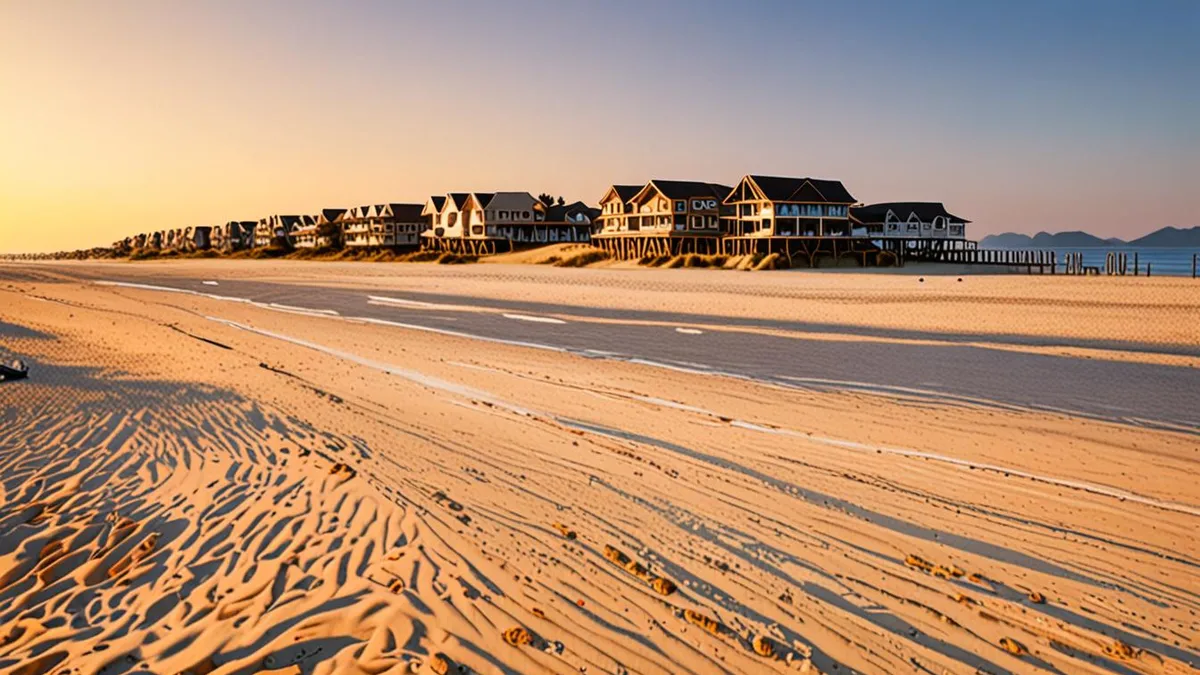
Mainland beaches bring more of the real world with them: foot traffic, beach vendors and neighboring hotels, all of which intensify in high season from December to April. That is not automatically a bad thing. Many travelers love the energy, the chance to people-watch, and the ability to wander out to a different restaurant every evening.
Matching the atmosphere to your travel style
Choose a mainland resort if you want dining variety, street life and the option to change your scenery daily. Choose an island if your goal is to disconnect completely. Honeymooners and burned-out professionals tend to thrive in the island setting, and a property like the supreme island manor with scenic serenity shows how rewarding that seclusion can be. Be honest with yourself first: if total quiet sounds boring after two days, the mainland will suit you better.
Cost Comparison and Where the Money Goes
The price gap between island and mainland resorts is real, and it shows up fast when you compare similar properties in the same region. Expect comparable island resorts to run roughly 20-40% more than their mainland equivalents. You are paying for seclusion, exclusivity and the logistics of running a resort that everything must be shipped or flown to.
How the spending is structured
Island resorts lean heavily on all-inclusive plans, and for good reason: once you arrive, leaving the property is difficult, so bundling meals, drinks and some activities into one price makes sense. Mainland stays work differently. Your nightly rate often covers just the room, and the rest of your budget flows outward to local restaurants, independently booked excursions, taxis and rental cars.
Neither model is automatically cheaper. An all-inclusive island stay can feel like better value because there are few surprises, while a mainland trip gives you control over daily spending. The honest comparison is total trip cost, including meals, transport and activities, not just the room rate.
Timing helps at both types of property. Shoulder-season months of May-June and October-November typically bring rates down by 15-30%, and mainland resorts sometimes discount even further because they compete with more nearby options. If your dates are flexible, shoulder season is the easiest way to make an island splurge more attainable.
Activities On and Off the Resort
Where you stay shapes what you actually do each day. Island resorts concentrate their activities on-site: kayaks, paddleboards, dive shops and snorkeling gear are usually steps from your room, and many properties have a house reef you can swim to without booking anything. That immediacy is a big part of the appeal, and properties like Nihi Sumba, where raw island beauty meets first-class comfort, show how much an island setting can define the experience. Because everything happens on the property, days tend to follow an easy rhythm: swim in the morning, paddle before lunch, snorkel the house reef in the late afternoon when the light is soft.
Mainland resorts work as a base camp instead. Because you can walk or drive out the gate, a single stay can include national parks, local towns, markets and several different beaches. You might spend one morning at a quiet cove and the next exploring a fishing village or a coastal trail, all without repacking or arranging transfers. Variety is the mainland’s strength; depth and convenience are the island’s.
One caveat for island travelers: off-property excursions cost more, since every outing starts with a boat ride. Typical examples of what to budget for include:
- Snorkeling and dive trips to outer reefs: boat fuel and crew time get built into the price, so these often cost noticeably more than similar trips from a mainland marina.
- Fishing charters: half-day and full-day charters usually depart from the resort’s dock, with pricing that reflects the transfer distance to good fishing grounds.
- Village or cultural visits: reaching a local community may require a boat transfer plus a guide, which raises the per-person cost compared with a mainland town you could taxi to.
When and How to Book Each Type
Booking windows differ sharply between the two types of resorts, and it mostly comes down to supply. Small island properties have a fixed, limited number of rooms and no nearby competitors to absorb overflow when demand spikes, so they fill early. Mainland resorts sit along a continuous stretch of coast with many alternatives nearby, which keeps availability looser and cancellation policies more forgiving. If you have your heart set on a specific island property, treat the booking as urgent; if you are flexible about which mainland beach you wake up on, you have more room to wait.
- Book island resorts 4-8 months ahead for high season. Small properties with a few dozen rooms sell out first, and once they do, there is no equivalent next door to fall back on. This matters most for the December to April peak, when demand at tropical destinations is at its highest and the best rooms go first.
- Give mainland resorts 2-4 months of lead time. Wider availability along the coast means you can often book later and still find good options, plus more flexible cancellation terms if your plans change. Waiting can occasionally pay off with last-minute deals, though this is never guaranteed in high season.
- Confirm transfer schedules before paying an island deposit. Boat and seaplane departures are limited and often timed to specific flights, so make sure your arrival and departure times actually connect before you commit money. Ask the resort directly how they handle delayed flights.
If your flights change after booking an island stay, contact the resort immediately to rework the transfer rather than assuming it will adjust automatically. A mismatch between your flight and the last boat of the day can otherwise cost you a full night somewhere you did not plan to be, plus an unplanned hotel bill. It is also smart to reconfirm your transfer a day or two before departure, since schedules can shift with weather and tides. Build a buffer into your arrival plans where possible, and keep the resort’s contact details handy so you can reach them quickly if anything goes wrong mid-journey.
Which Beach Resort Fits Your Trip
So, which beach resort fits your trip? If your priority is escaping, an island resort delivers: you pay roughly 20-40% more and accept longer transfers, but you get maximum seclusion and one immersive setting where everything you need is steps away. It suits travelers who want to disconnect completely and stay put.
If your priority is roaming, a mainland beach resort makes more sense. You’ll typically reach it in 10-60 minutes by road, spend less overall, and keep the freedom to explore nearby towns, restaurants and stretches of coast on your own schedule. Neither choice is better; they simply serve different trips. Decided which one fits yours, or still torn? Leave a comment or share this article with a fellow traveler.